Diesel Generators vs. Portable Power Systems for Jobsite Use
When a jobsite loses utility power or has none at all, the need for reliable electricity becomes immediate. Crews need to run tools, charge batteries, power lights, and keep equipment working. Two common solutions are diesel generators and portable power systems. Each has its place, and choosing between them depends on the nature of the work, the equipment being used, and the site conditions.
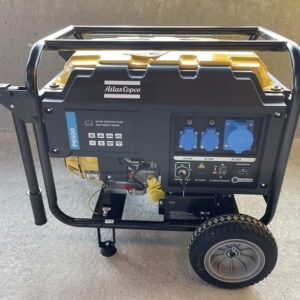
Diesel generators have been a standard for decades. They burn diesel fuel to spin an alternator and produce electricity. They can deliver high power output for long periods, making them suitable for heavy loads like large compressors, welders, and multiple tools running at once. A diesel generator's fuel tank can keep it running for many hours, and refueling is straightforward if diesel is available on site.
How Diesel Generators Work on a Jobsite
A diesel generator consists of an engine coupled to an alternator. The engine burns diesel to turn the alternator, which generates alternating current. The generator includes a fuel tank, a control panel, and often a sound-attenuated enclosure for quieter operation. The rated output tells you how much continuous power the unit can supply. For industrial generators, this can range from a few kilowatts up to several hundred kilowatts.
One important factor is starting current. Many tools and motors draw several times their running current when they start. A diesel generator must have enough surge capacity to handle these peaks. If the generator is too small, it will trip its breaker or stall the engine when a large motor kicks in. Load bank testing can confirm that a generator can handle its full rated output under real conditions.
Fuel consumption is another consideration. Diesel generators run more efficiently at higher loads. At light loads, they burn more fuel per kilowatt-hour produced. This means that if your jobsite only needs a few hundred watts for lights and battery charging, a large diesel generator may waste fuel. The solution is to match the generator size to the expected load, or to use a smaller unit for lighter work.
Portable Power Systems: Batteries and Inverters
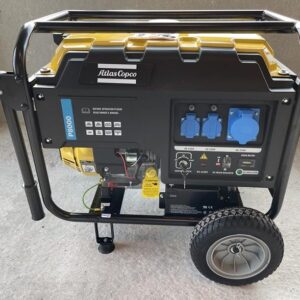
Portable power systems have become more capable in recent years. They consist of a battery pack, an inverter to produce AC power, and often multiple outlets for direct DC charging. They produce no exhaust, run silently, and require no fuel. For jobsites where noise or emissions are a concern, or where indoor work is needed, they offer a clean alternative.
These systems come in various sizes, from small units that can power a laptop and a few lights to larger units that can run a saw or a small compressor for a limited time. Their runtime depends on the battery capacity and the load. A power distribution box or a transfer switch can help manage how power flows from the system to the tools. Some systems allow you to recharge from a solar panel, a vehicle, or a small generator, extending their usefulness.
The main limitation of portable power systems is runtime. For a full day of heavy work, a large battery bank may only last a few hours before needing a recharge. That recharge time can be several hours. On a jobsite where power is needed continuously, a diesel generator may be the only practical choice. But for short tasks, or for powering sensitive electronics, a portable system can be ideal.
Comparing the Two for Jobsite Use
When weight and portability matter, portable power systems often win. A typical portable system weighing 30 to 50 pounds can be carried by one person. A diesel generator of similar power output might weigh several hundred pounds and require a lift gate or a dolly. For rooftop work or tight spaces, the battery system is much easier to move.
Noise is another factor. Diesel generators are loud. Even quiet models produce a steady rumble. In residential areas or on sites with noise restrictions, that can be a problem. Portable power systems run silently. That can improve communication on site and reduce complaints from neighbors.
Emissions are also worth considering. Diesel exhaust contains particulates and gases that can be harmful in enclosed spaces. Portable power systems produce no emissions at the point of use. That makes them safer for indoor work, and they do not require the same ventilation as a diesel generator.
When to Choose a Diesel Generator
- You need high power for long durations, such as running a large compressor, a welder, or multiple heavy tools all day.
- Fuel is readily available on site, and you can store diesel safely.
- The jobsite has good ventilation, and noise is not a major concern.
- You need to power equipment with high starting current, like a large motor or a pump.
When to Choose a Portable Power System
- The job is short, or the total power needed is low enough that battery runtime covers the work.
- Noise or emissions are restricted, or you are working indoors.
- Portability is critical, and you need to move the power source between floors or locations.
- You are powering sensitive electronics that need clean sine wave power, which many portable inverters provide.
Matching the Solution to the Site
The best approach often involves both technologies. A diesel generator can serve as the primary power source for heavy loads, while a portable power system handles light work or provides backup when the generator is shut down for maintenance or refueling. Some sites use a transfer switch to automatically switch between the generator and a battery system, depending on the load.
For a typical construction site where crews run saws, drills, and compressors all day, a diesel generator is usually the workhorse. It provides the consistent power needed to keep tools running. The fuel consumption is predictable, and the runtime is only limited by the tank size and refueling schedule. But for a finish crew working indoors on trim and painting, a portable power system might be all that is needed. It eliminates fumes and noise, and the crew can work in comfort.
There is also the matter of maintenance. Diesel generators require regular oil changes, filter replacements, and load bank testing to ensure they can handle full power. Portable power systems need less maintenance, but their batteries degrade over time and eventually need replacement. The choice depends on how much you want to maintain the equipment and how long you plan to keep it.
Practical Considerations for the Buyer
When evaluating a diesel generator, look at the rated output and the surge capacity. A unit that can deliver 20 kilowatts continuously but only 30 kilowatts for a few seconds may not start a large motor. Check the fuel consumption at the loads you expect. A larger generator running at light load is inefficient. A smaller unit running near its rated output is more efficient.
For portable power systems, check the battery capacity in watt-hours and the inverter's continuous and surge ratings. Some inverters can handle a surge of double their rated output for a few seconds. That can be enough to start a small motor. But if you need to run a table saw or a miter saw, make sure the inverter can handle the startup current.
Runtime is often listed as a range at a given load. A system rated for 2000 watt-hours might run a 200-watt light for ten hours, but a 1500-watt saw for only about an hour. For jobsite use, you need to estimate your total power draw and the duration of the work. If the work lasts longer than the battery can provide, you will need to recharge, either from a generator, a vehicle, or a solar panel.
Why Both Have a Place
There is no single answer for every jobsite. The right choice depends on the specific work, the environment, and the budget. Many experienced contractors own both types of equipment. They use the diesel generator for heavy work and the portable system for light work or for indoor finish work. That flexibility helps them take on a wider range of jobs without being limited by power availability.
For those looking to purchase equipment, a supplier like ePowerhouse LLC can provide options across both categories. Their inventory includes industrial generators suited for continuous heavy use, as well as portable power systems for lighter applications. Choosing the right equipment starts with understanding the load you need to power and the conditions of your jobsite.
In the end, the decision comes down to matching the power source to the work. If you need sustained high power, a diesel generator is the proven choice. If you need quiet, clean, and portable power for lighter work, a portable power system may serve you better. Many jobsites benefit from having both available, so you can pick the right tool for each task. ePowerhouse LLC offers a range of products that can meet either need, allowing you to build a power solution that fits your specific requirements.